
Chitin deacetylases: new, versatile tools in biotechnology
Chitin deacetylases have been identified in several fungi and insects. They catalyse the hydrolysis of N-acetamido bonds of chitin, converting it to chitosan. Chitosans, which
Chitin deacetylases have been identified in several fungi and insects. They catalyse the hydrolysis of N-acetamido bonds of chitin, converting it to chitosan. Chitosans, which

Chitosan is a partially deacetylated polymer obtained from the alkaline deacetylation of chitin which is a glucose-based unbranched polysaccharide widely distributed in nature as the
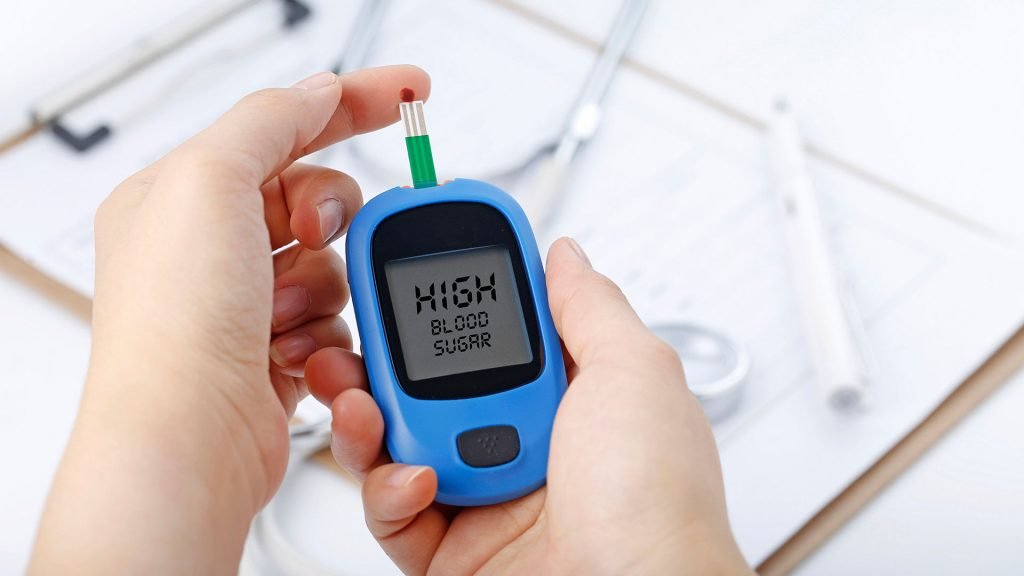
Oligo-N-acetylglucosamine (OAG) is a hydrolyzed derivative of chitin that has been used as a sweetener in foods. Since, no information has been published about the

Water-soluble chitosan derivatives, having various degrees of substitution with disaccharide (DS 20–30%, 40–50%, 60–70%), were prepared by reductive alkylation of a-chitosan with lactose, maltose or

Chitin is the second most abundant natural biopolymer after cellulose. The chemical structure of chitin is similar to that of cellulose with 2-acetamido-2-deoxy-b-d-glucose (NAG) monomers

Chitin, colloidal chitin and water-soluble chitosan were hydrolyzed by crude enzyme solution produce by Bacillus amyloliquefaciens V656. The hydrolysates with 12 h hydrolysis contained optimal

Water-soluble low-molecular weight chitosan (LMWC) and chitooligosaccharides (COs) were obtained from chitosan (16% Nacetylation) by depolymerization induced by potassium persulfate under nitrogen atmosphere for 2
Water-soluble chitosan oligomer (WSCO) has been reported to have anticancer activity, immuno-enhancing effect and antimicrobial activity. However, other biological activities are unknown. Herein, we have
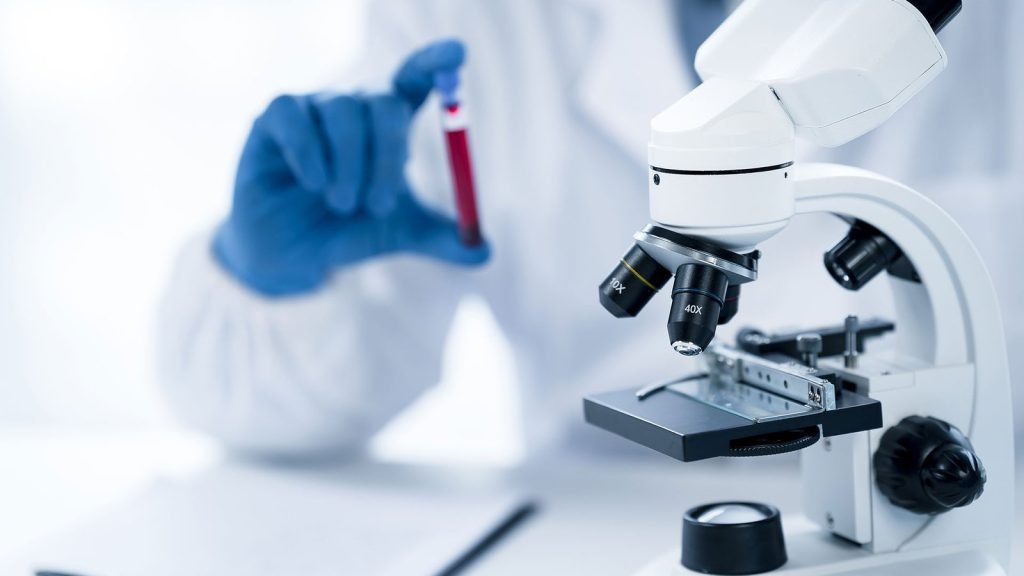
Chitooligosaccharides (COS) have been shown to regulate various cellular and biological functions. However, the effect of COS on apoptosis of hepatocellular carcinoma cells remains unclear.
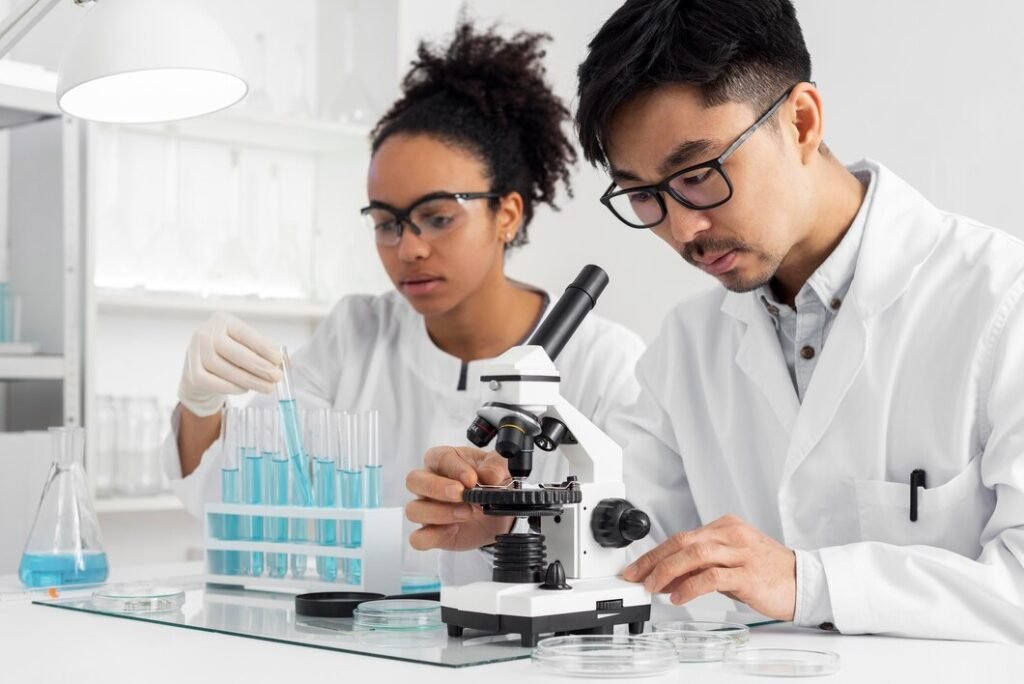
Cellulase was used to partially hydrolyse N-acetylated chitosan. The hydrolysis process was monitored by gel permeation chromatography. Factors affecting the enzymatic hydrolysis of chitosan were

Para brindar la mejor experiencia, utilizamos tecnologías como cookies para almacenar y/o acceder a la información del dispositivo. Su consentimiento para estas tecnologías nos permitirá procesar datos como el comportamiento de navegación o los identificadores únicos en este sitio. No dar su consentimiento o retirarlo podría afectar negativamente a ciertas características y funciones.